Texas Electricity Rate Increases: Why Your Bill Keeps Going Up
If it feels like your electricity bill goes up every year in Texas, it’s not just a feeling — the data confirms it. Understanding why this is happening, and why it’s likely to continue, is key to making an informed decision about solar energy as an alternative.
The numbers: a 60% increase in four years
Between January 2021 and December 2024, the average residential electricity rate in Texas rose from approximately 10 cents per kWh to nearly 16 cents per kWh — a cumulative increase of nearly 60% in just four years, according to historical rate data compiled by ElectricityPlans.
To put that in perspective: a household spending $150 a month on electricity in 2021 would be paying around $240 a month today for the same usage, purely from the increase in the per-kWh rate — without even accounting for the natural rise in consumption from more electronics, more air conditioning use, or a growing household.
Why are rates rising so much in Texas?
1. ERCOT’s deregulated market
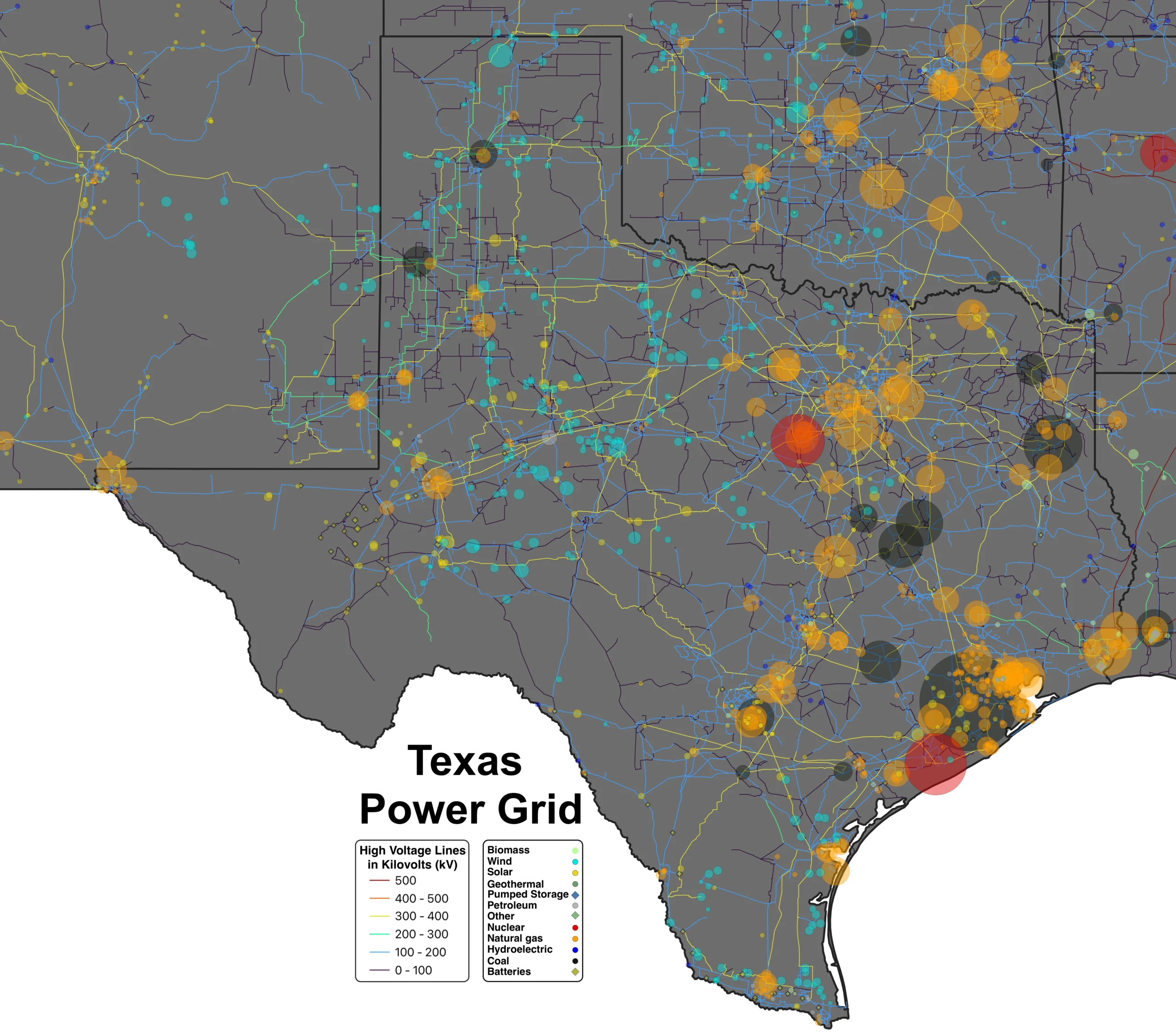
Approximately 85% of Texas operates under the deregulated electricity market managed by ERCOT (Electric Reliability Council of Texas). Unlike states with a single regulated utility, in Texas the distribution companies (like Oncor or CenterPoint) are separate entities from the retail electric providers (REPs) that compete for customers. This system can, in theory, generate more competitive rates, but it also exposes consumers to greater price volatility, especially during periods of grid stress.
2. Extreme weather events
Winter Storm Uri in February 2021 exposed the vulnerabilities of the Texas power grid to extreme weather, and since then utilities and ERCOT have invested heavily in infrastructure upgrades to prevent a similar collapse from happening again — investments that are, in large part, passed on through the rates consumers pay. Add to that increasingly intense summers, which drive sustained increases in peak demand.
3. Growing demand from data centers
According to 2026 Texas electric industry surveys, one of the factors putting the most pressure on future rates is the explosive growth of data centers connected to the ERCOT grid, many of them tied to the AI boom. This new industrial demand competes for the same generation capacity that supplies homes, which tends to push prices upward.
4. Electrical infrastructure upgrades
Beyond responding to weather events, distribution utilities have been steadily investing in modernizing transmission and distribution lines, many of which are decades old. These infrastructure costs, regulated but real, show up directly in the “transmission and distribution” portion of your bill, regardless of which retail provider you choose.
Is this a temporary trend or a structural one?
Industry projections for the coming years in Texas show no signs of reversal: the combination of higher demand (growing population, data centers, vehicle electrification) with infrastructure that requires constant investment suggests that upward pressure on rates is structural, not an isolated spike that’s likely to come back down on its own in the near term.
This doesn’t mean rates will rise at exactly the same pace every year — Texas’s deregulated market can produce variation depending on your retail provider and when you renew your contract — but the underlying trend of the last five years is clear and backed by verifiable historical data.
What this means for your solar energy decision
A solar system doesn’t eliminate your exposure to the grid (unless you add batteries and go fully off-grid, which is uncommon and expensive), but it does significantly reduce how much electricity you need to buy from your retail provider each month. That reduction is especially valuable in a context where the price of that purchased electricity has risen 60% in four years with no signs of stabilizing.
Put another way: every year that passes without generating your own energy is another year paying a rate that, based on recent history, tends to rise. How much you’d save with solar panels depends on your current usage — but the more rates rise in the future, the greater the relative savings for someone who already generates their own electricity compared to someone still buying it entirely from the grid.
How to protect yourself from future increases
While no one can predict exactly how much electricity rates in Texas will rise in the coming years, there are concrete strategies to reduce your exposure:
- Compare electricity plans regularly, since the deregulated market lets you switch providers when your contract expires.
- Generate your own electricity with solar panels, reducing the number of kWh you need to buy at prices that have historically risen.
- Review your solar buyback plan if you already have or plan to install panels, to make sure the rate you’re paid for excess energy is competitive.
- Consider battery storage if you also want protection from power outages during extreme weather events, not just from the per-kWh cost.
The bottom line
Residential electricity rates in Texas rose approximately 60% between 2021 and 2024, driven by ERCOT’s deregulated market, extreme weather events, infrastructure investment, and growing demand from data centers. Everything points to this upward pressure continuing in the coming years.
If you want to know how much you could save by generating your own electricity instead of remaining exposed to these increases, you can compare free quotes from certified installers in Texas through our form, with no obligation.
Frequently asked questions about Texas electricity rates
Why doesn’t Texas have a single electricity rate for everyone?
Because the ERCOT electricity market is deregulated: there are dozens of retail electric providers (REPs) competing for customers, each with its own plans and prices, unlike states with a single regulated utility.
Does switching electricity providers actually help lower my bill?
It can help, especially if your current plan’s fixed-rate period has expired and defaulted to a higher variable rate. However, no provider can reverse the overall upward trend affecting the entire ERCOT grid.
Do solar panels completely protect me from future rate increases?
They protect you in proportion to how much of your usage you generate yourself. If your system covers 90% of your consumption, you’re only exposed to the remaining 10% you still buy from the grid, plus any fixed connection charges.
Is it worth waiting for rates to drop before installing panels?
The historical trend over the last five years in Texas has been sustained increases, not decreases. Waiting for that trend to reverse means continuing to pay rising rates in the meantime, with no guarantee they’ll actually drop in the near future.
What does data center growth have to do with my electricity bill?
Data centers consume enormous amounts of electricity from the same ERCOT grid that supplies homes. That increase in industrial demand pushes wholesale electricity prices upward, which eventually shows up in residential rates.
